
Discover Milano
- About 1.4 million residents (over 3 million in the metropolitan area)
- Lombardia (Lombardy)
- CET/CEST (UTC+1 / UTC+2)
History
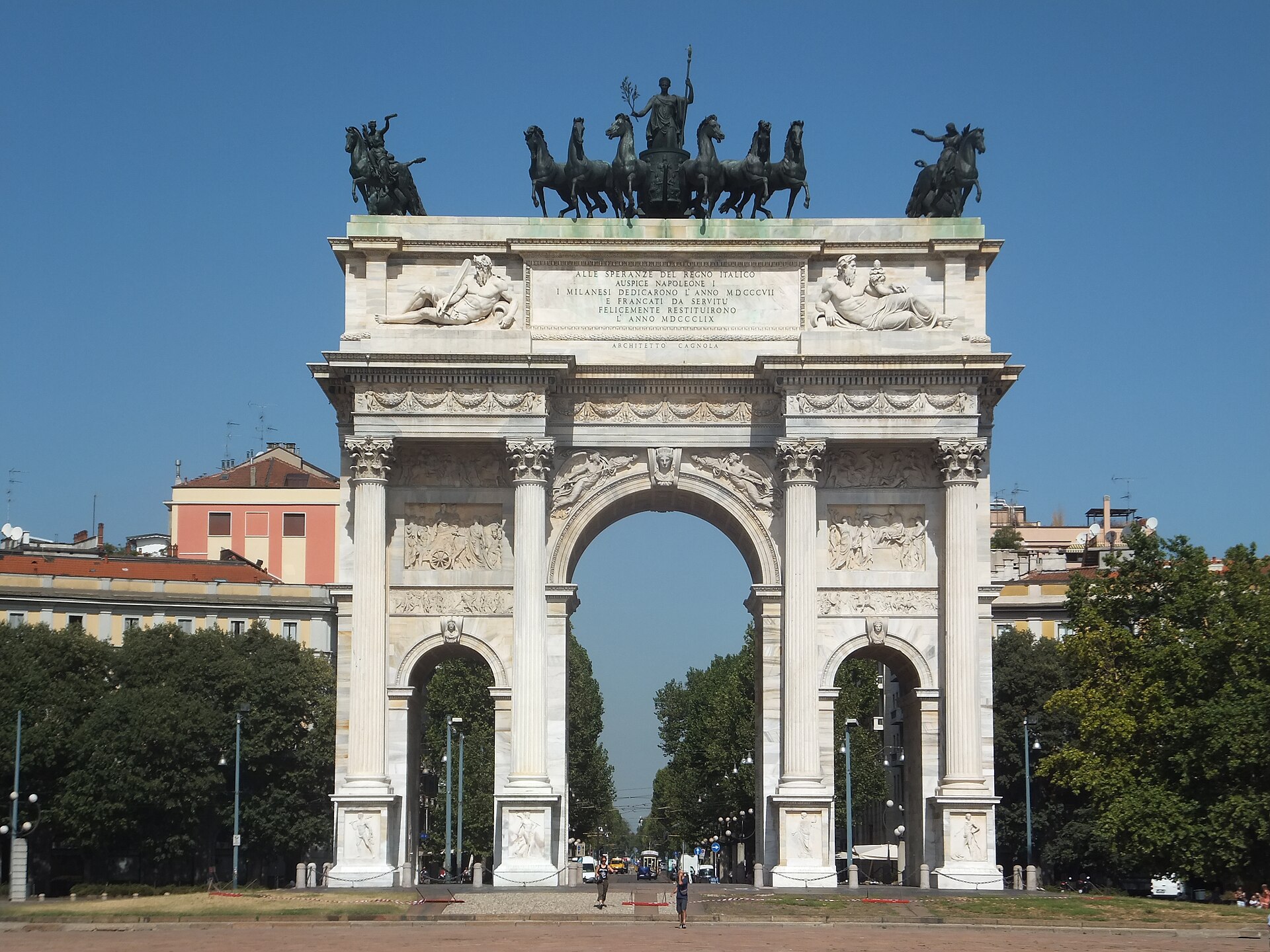
Milan began as Mediolanum, a settlement of the Celtic Insubres people that fell to Rome in 222 BC and grew into one of the late Roman Empire’s most important cities — for a time, under Diocletian’s reforms, it served as capital of the Western Roman Empire. It was here in 313 AD that Emperor Constantine issued the Edict of Milan, granting religious tolerance to Christians across the empire, a turning point in European history that took place centuries before the city’s medieval and Renaissance monuments were built.
Milan’s medieval communes defeated Emperor Frederick Barbarossa’s forces at the Battle of Legnano in 1176, and the following centuries saw power concentrate first under the Visconti and then the Sforza dukes, whose court attracted Leonardo da Vinci between 1482 and 1499. In these years Leonardo painted the Last Supper, designed elaborate frescoes for Sforza Castle, and worked on the city’s canal locks, while construction of the Duomo, begun in 1386, dragged on for centuries more. Spanish and then Austrian Habsburg rule followed, punctuated by the devastating plague of 1630 later immortalised in Alessandro Manzoni’s novel The Betrothed.
Napoleon made Milan capital of his Napoleonic Kingdom of Italy in the early 1800s, and the following century brought rapid industrialisation, the construction of the Galleria Vittorio Emanuele II, and a starring role in the Risorgimento uprisings that led to Italian unification, including the Five Days of Milan revolt against Austrian rule in 1848. By the early 20th century Milan had become Italy’s undisputed industrial and financial capital, a status that made it a prime target for Allied bombing during the Second World War, which destroyed roughly a third of the city.
Milan rebuilt rapidly in the postwar decades, powering Italy’s “economic miracle” of the 1950s and 60s, and from the 1970s and 80s onward reinvented itself again as a global capital of fashion and design, a reputation cemented by Milan Fashion Week and the biennial Salone del Mobile design fair. Expo 2015 and the striking new skyline of the Porta Nuova district, including the tree-covered Bosco Verticale towers, reflect a city that keeps building on top of its layered history rather than replacing it.
Did you know?
- Milan Cathedral took nearly six centuries to complete — construction began in 1386 and the neo-Gothic marble facade wasn't finished until 1813, on Napoleon's orders. By unwritten civic rule, the gilded Madonnina statue on its tallest spire must remain the highest point in the historic centre.
- Leonardo da Vinci's Last Supper survived a 1943 bombing raid that destroyed the roof of its refectory and an adjoining wall, because the wall bearing the mural had been protected with sandbags — one of several near-misses in the painting's five-century history of decay and restoration.
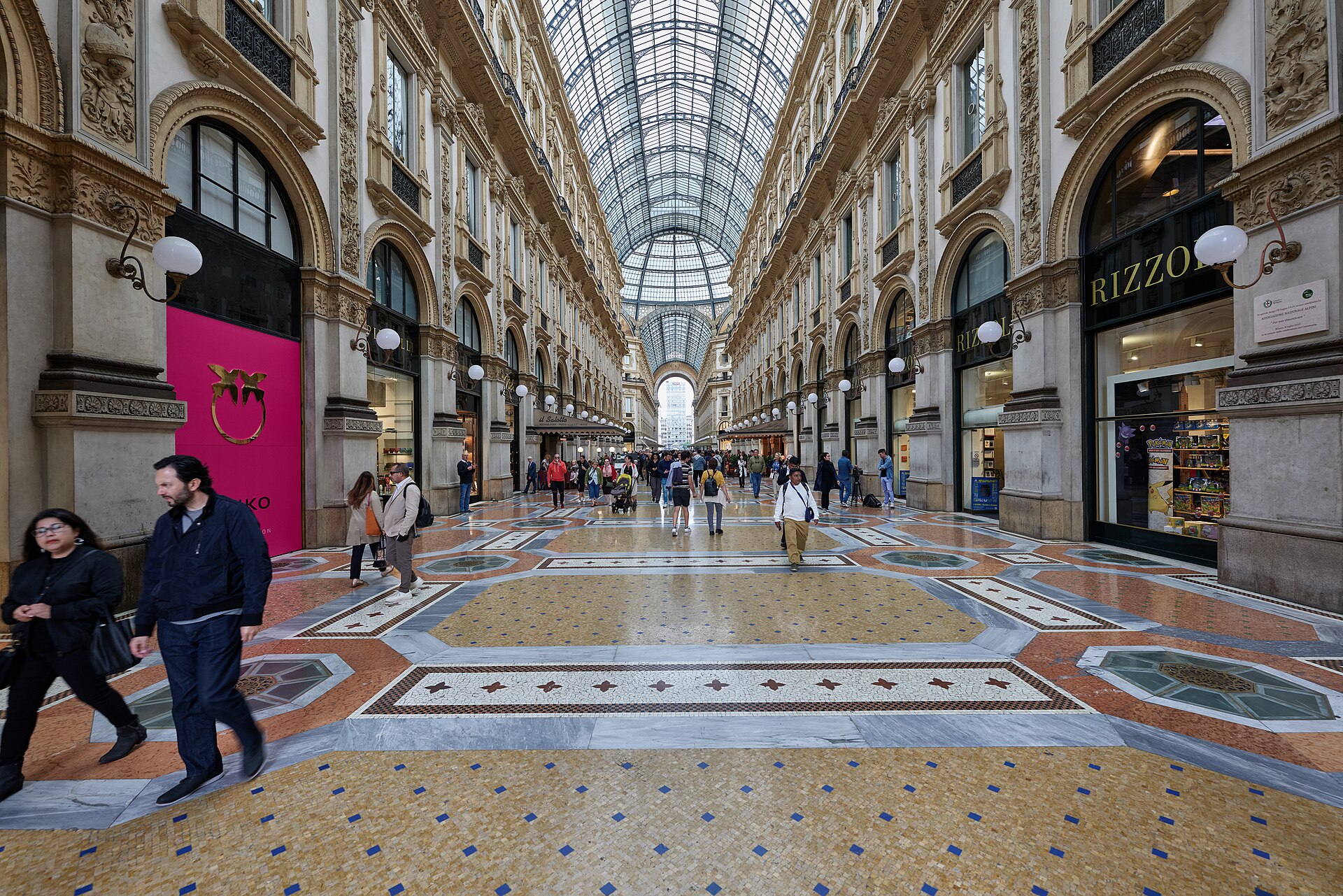
- The architect of the Galleria Vittorio Emanuele II, Giuseppe Mengoni, fell to his death from the scaffolding just days before the arcade's 1877 inauguration. A mosaic bull beneath the central octagon is still considered good luck if you spin three times on your heel over it.
- Milan's canals, the Navigli, once floated in the pink Candoglia marble used to build the Duomo, and Leonardo da Vinci is credited with improving the system's lock mechanisms during his years at the Sforza court.
- The Negroni Sbagliato, now a global cocktail phenomenon, was invented by accident in 1972 at Bar Basso, when bartender Mirko Stocchetto grabbed a bottle of sparkling wine instead of gin.
- Panettone, Italy's Christmas sweet bread, originated in Milan, and the city's bakeries still compete every winter over whose version is the most authentic.
Must-see
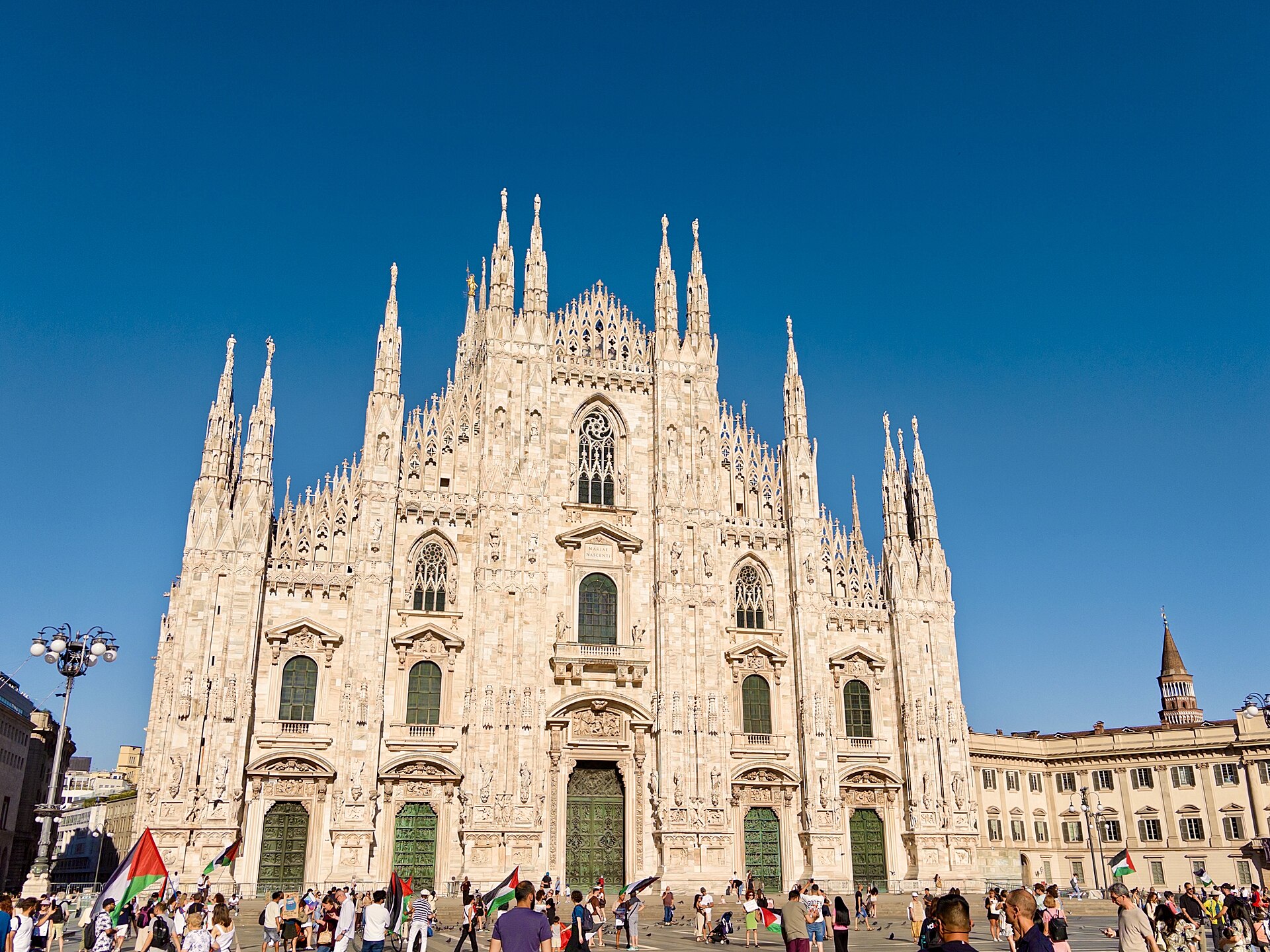
- Milan Cathedral — Milan's vast Gothic cathedral, begun in 1386 and topped with 135 spires and the gilded Madonnina, with rooftop terraces open to visitors above the historic centre.
- Galleria Vittorio Emanuele II — A soaring iron-and-glass 19th-century shopping arcade linking Piazza del Duomo to Piazza della Scala, known to Milanese as the city's living room.
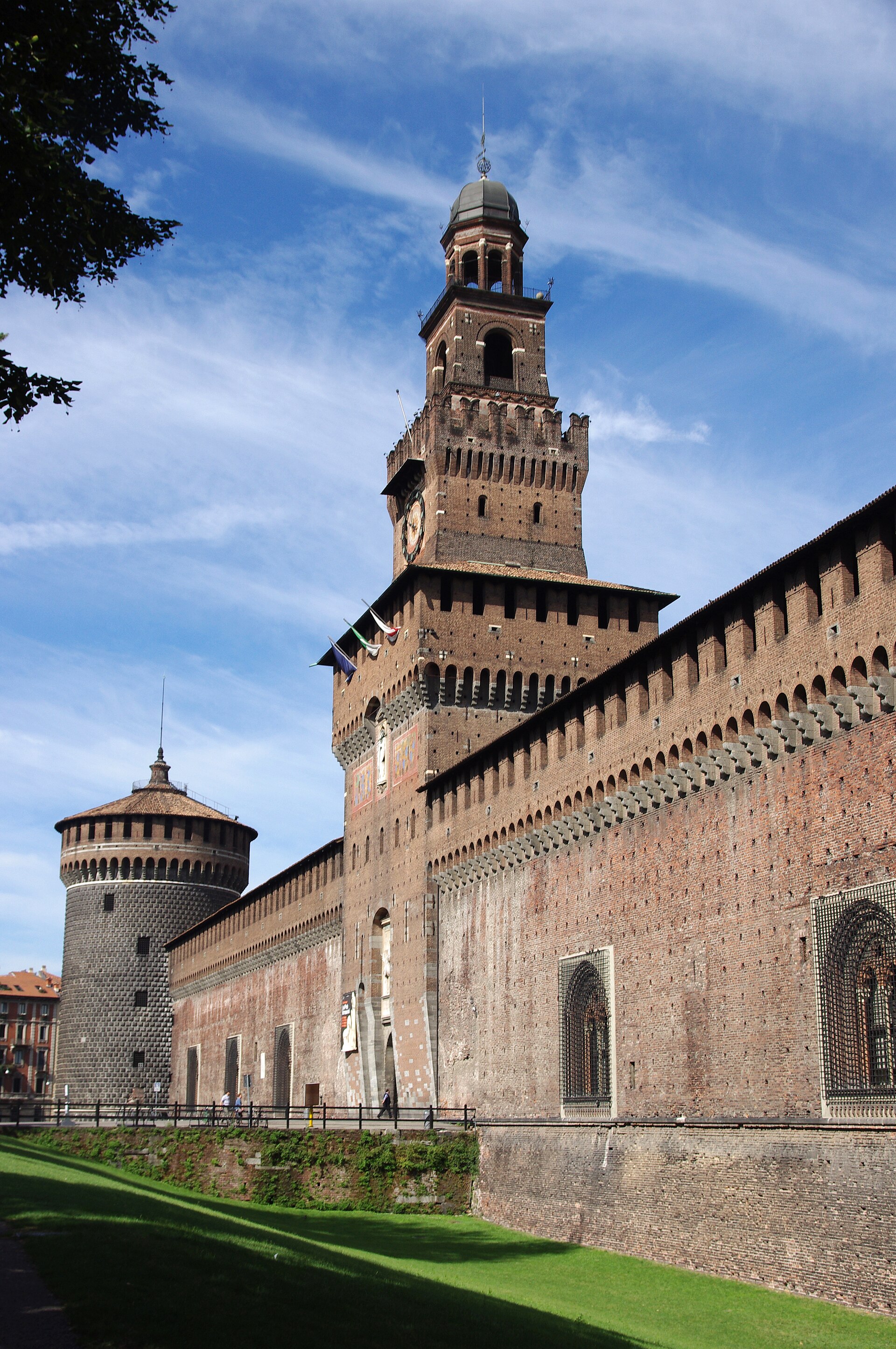
- Sforza Castle — A vast 15th-century fortress built by the Sforza dukes over an earlier Visconti castle, now home to several civic museums, Leonardo frescoes and Michelangelo's last sculpture.
Local dishes
- Risotto alla Milanese — A creamy saffron-infused risotto, traditionally served alongside ossobuco, its golden colour said to come from a stained-glass worker's joke about painting with saffron.
- Cotoletta alla Milanese — A bone-in veal cutlet, breaded and fried in butter until golden, distinct from its thinner Viennese cousin by its thickness and the bone left attached.
- Ossobuco — Braised veal shank cooked slowly in white wine, broth and vegetables, traditionally finished with gremolata and served with risotto alla milanese.
- Cassoeula — A hearty winter stew of pork cuts and Savoy cabbage, slow-cooked for hours, a rustic Lombard classic best eaten on a cold day.
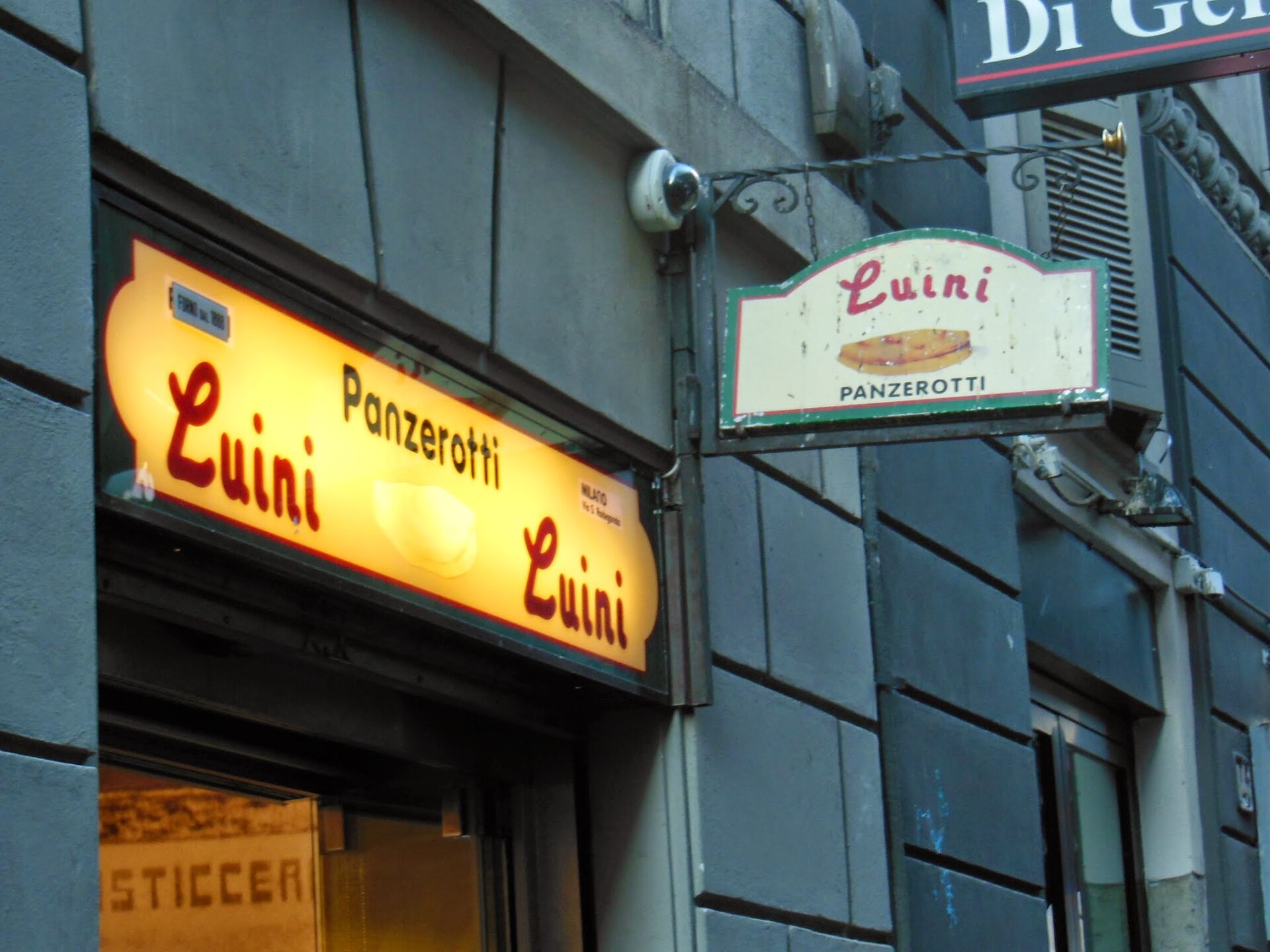
- Panettone — The dome-shaped, candied-fruit-studded Christmas bread that originated in Milan and is now eaten across Italy and well beyond every December.
Practical info
Getting around
Milan's efficient metro network (five lines, M1 to M5) covers most of the city, supplemented by trams — including vintage orange carriages from the 1920s still in service — and buses. The historic centre is compact and walkable, but much of it falls inside Area C, a congestion charge zone that discourages driving in; visitors are better off leaving cars outside the centre and using public transport or the city's bike-sharing scheme. A single ATM ticket covers 90 minutes across metro, tram and bus.
When to go
April to June and September to October bring the most comfortable weather and avoid both summer heat and the August lull, when many family-run restaurants and shops close for the traditional ferie. Milan Fashion Week, held twice a year in February and September, fills the centre with energy but also pushes up hotel prices considerably. December brings Christmas markets, mulled wine and the start of panettone season around the Duomo and Piazza Duomo's giant tree.
Good to know
- Central Milan lies inside Area C, a paid congestion zone — driving in without registering incurs a fine, so visitors are better off using public transport.
- Many independent restaurants, bars and shops close for one to three weeks in August for the summer ferie — check opening days before planning a visit around a specific address.
- Book tickets for Leonardo's Last Supper (Cenacolo Vinciano) weeks or months in advance; entry is by strictly timed 15-minute slots and regularly sells out.
- A dress code applies inside the Duomo and other churches: shoulders and knees must be covered.